Blog
Practical guides for founders building custom software and AI-powered systems.
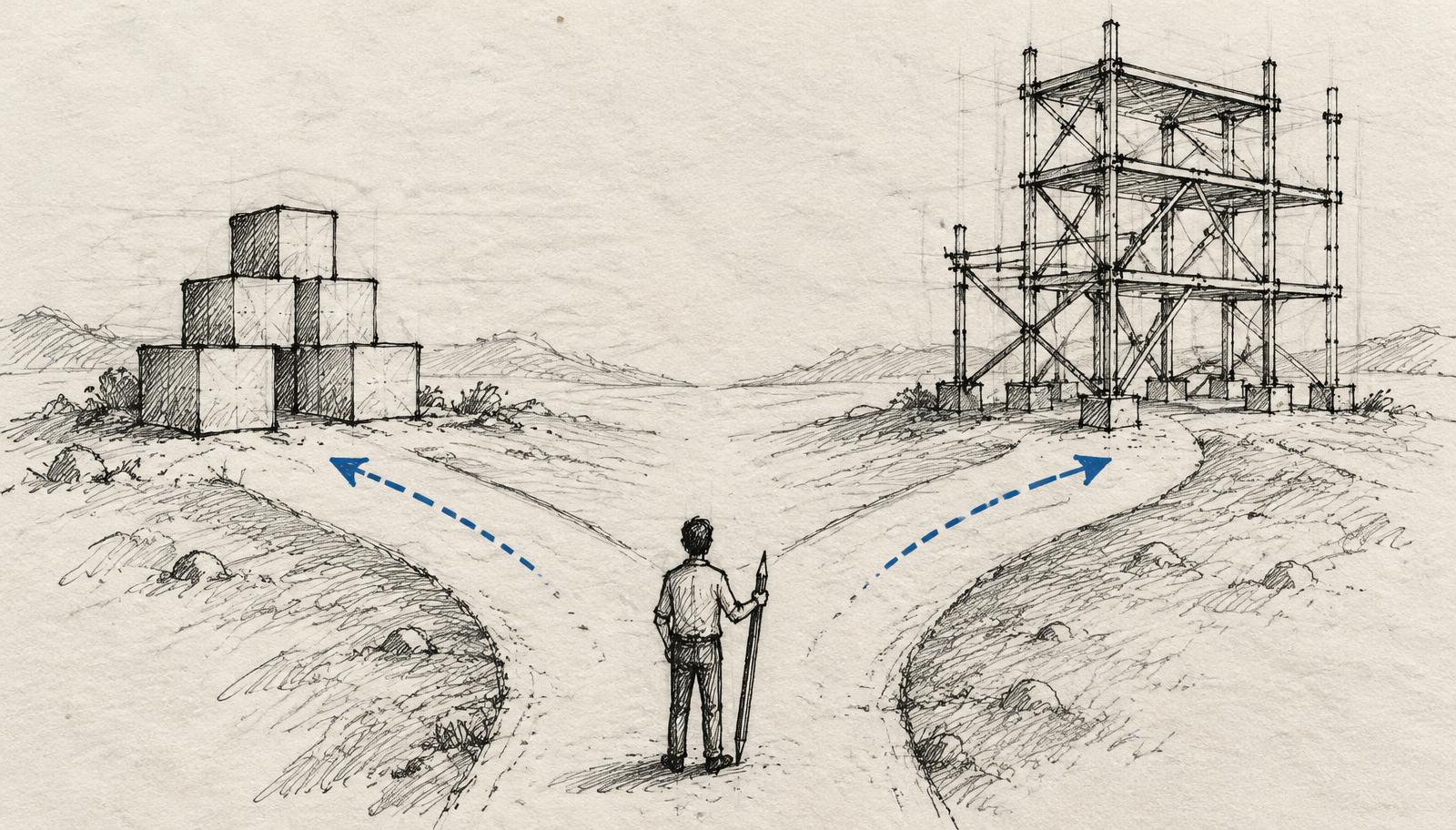
Lovable vs Custom Code: When to Keep Building in Lovable and When to Switch
This question is often framed as "Lovable or custom code".

Bubble App Security Checklist: Privacy Rules, APIs, and Common Risks (2026)
A Bubble app can look finished while still exposing data or trusting the browser too much. Security in Bubble is not a single setting.

Can Bubble Build Mobile Apps? Native, PWA, and Wrapper Options Explained (2026)
Can Bubble build mobile apps? Yes, but the right approach depends on the product you are building.
Custom CRM Development: Cost, Timeline, and When to Build Your Own (2026)
Most companies do not start with custom CRM development.
Marketing Automation Agency vs AI Automation Agency
"Automation agency" now describes two very different kinds of company. One optimizes how you market.
How Much Does Custom Software Development Cost in 2026?
Custom software pricing is confusing because almost nobody publishes real numbers. Agencies quote "it depends", and founders are left guessing whether their project costs $10,000 or $250,000.
AI for Business Automation: 12 Workflows Worth Automating First
Most companies do not have an AI problem. They have a "twelve people retyping the same information" problem.
Bubble vs Webflow for SaaS MVP Development
If you are choosing a no-code stack for a SaaS product, Bubble vs Webflow for SaaS MVP development is the decision that sets your next six months.
How Much Does It Cost to Build an MVP in 2026?
How much does it cost to build an MVP? The honest answer is that it depends far less on the platform you pick and far more on how much product you insist on shipping in version one.
AI Automation Services: What You Actually Get
AI automation services promise to remove manual work from your business, but the phrase covers everything from a single Zapier scenario to a bespoke system that runs a department.
What an AI Automation Agency Actually Does (2026 Guide)
Hiring an AI automation agency sounds simple until you start comparing them. One promises chatbots, another sells "AI workflows", a third rebuilds your entire ops stack.
Figma to Bubble: Step-by-Step Tutorial
Figma to Bubble is the most efficient path from a designer's mockup to a working product.
AI Automation for Small Business: A Practical Guide
AI automation for small business is no longer a future bet.

How to Choose a Bubble Agency: A Practical Checklist
Choosing a Bubble agency is one of the highest-leverage decisions in the early life of your product. The right partner ships a working application in weeks and leaves you with something you can run.
Bubble vs Webflow: Which to Pick in 2026
Bubble vs Webflow is the question almost every founder asks before they start building.
Bubble vs FlutterFlow: Which Wins for Mobile Apps
Bubble vs FlutterFlow is the comparison founders make as soon as a mobile app comes up.
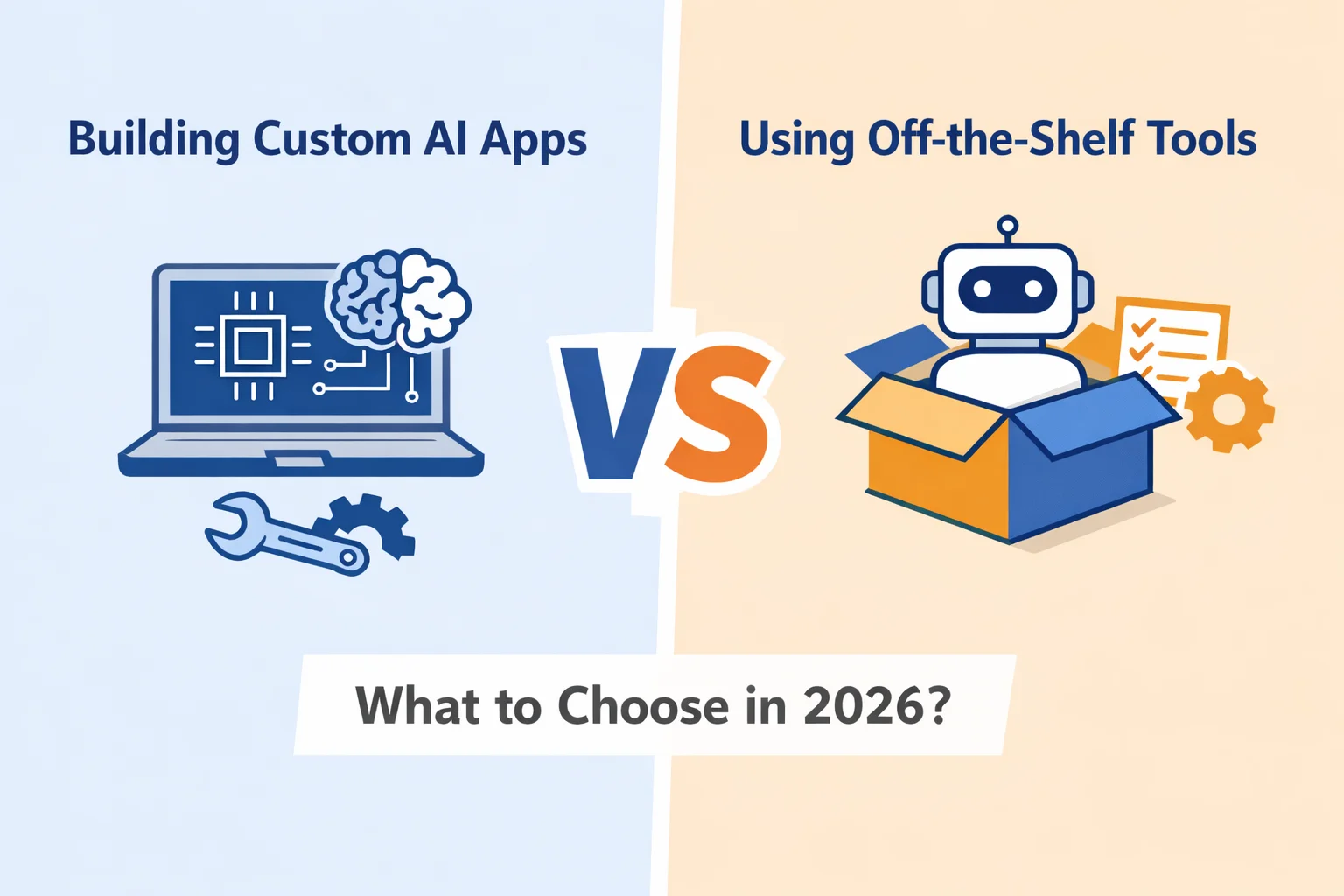
Building Custom AI Apps vs Using Off-the-Shelf Tools: What to Choose in 2026
The AI Gold Rush of 2023 and 2024 has matured. As we move through 2026, artificial intelligence is no longer a novelty; it is the fundamental infrastructure of modern business.
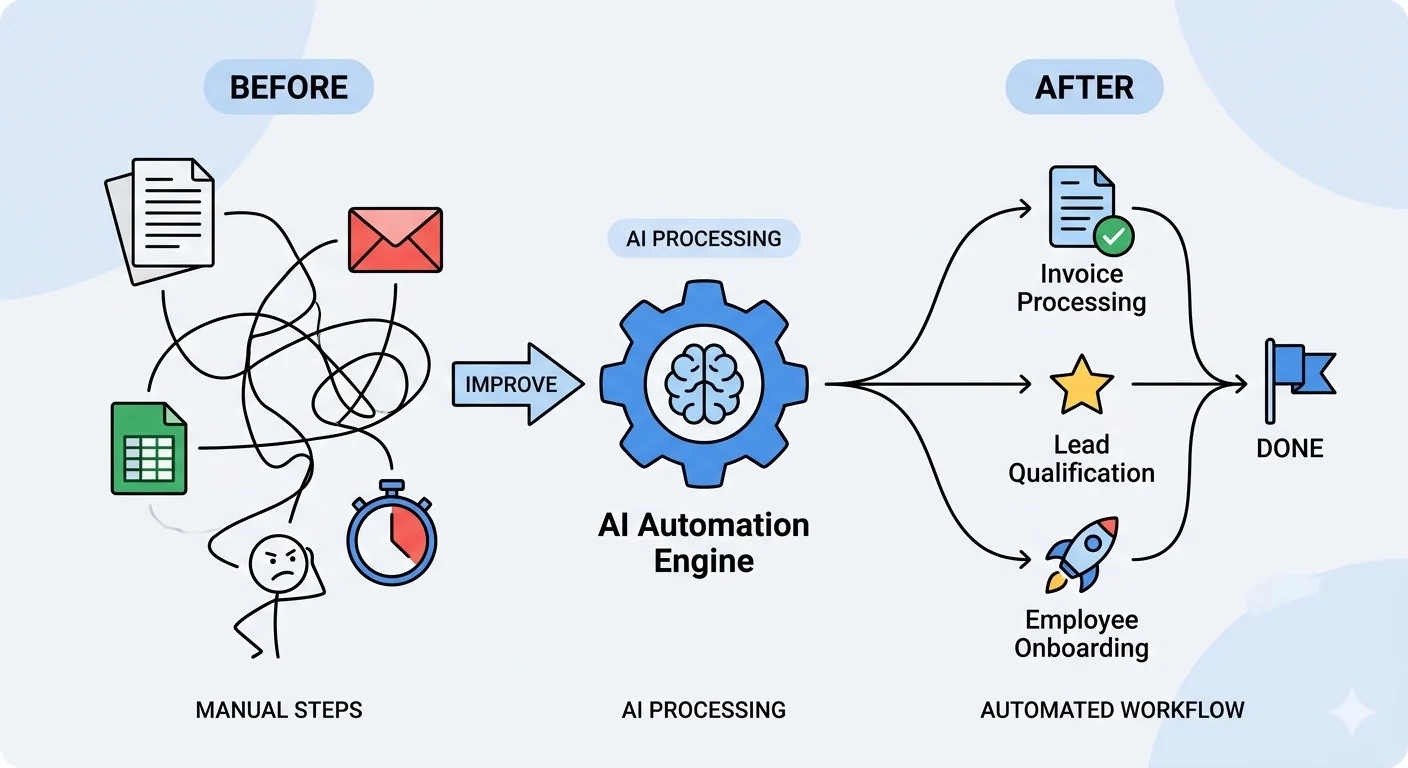
The Complete Guide to Automating Business Workflows with AI
Every business, from a two-person startup to a 500-person enterprise, runs on workflows. ” The problem?
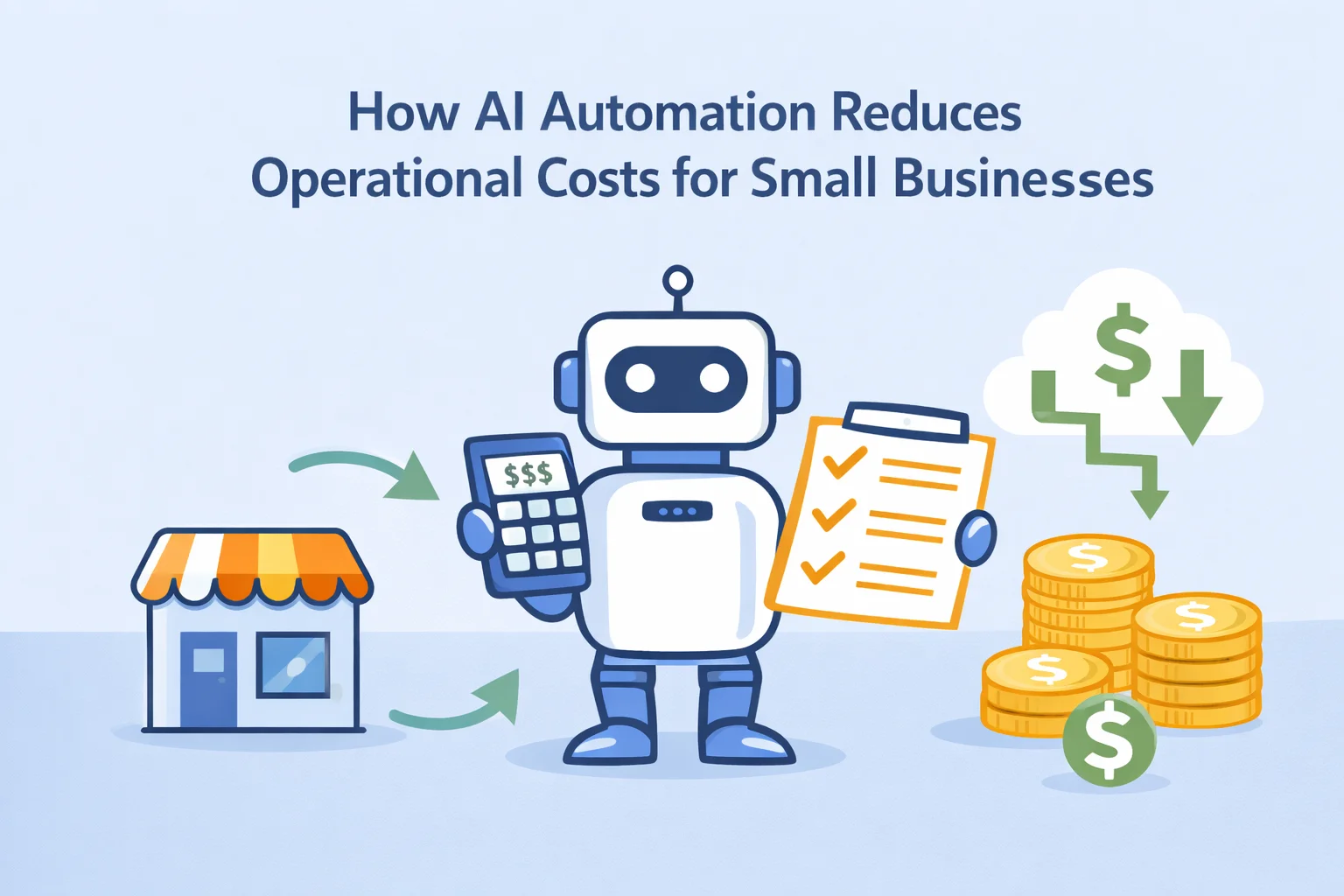
How AI Automation Reduces Operational Costs for Small Businesses
In today’s competitive landscape, small business owners often feel like they are running on a treadmill, moving fast but staying in the same place.
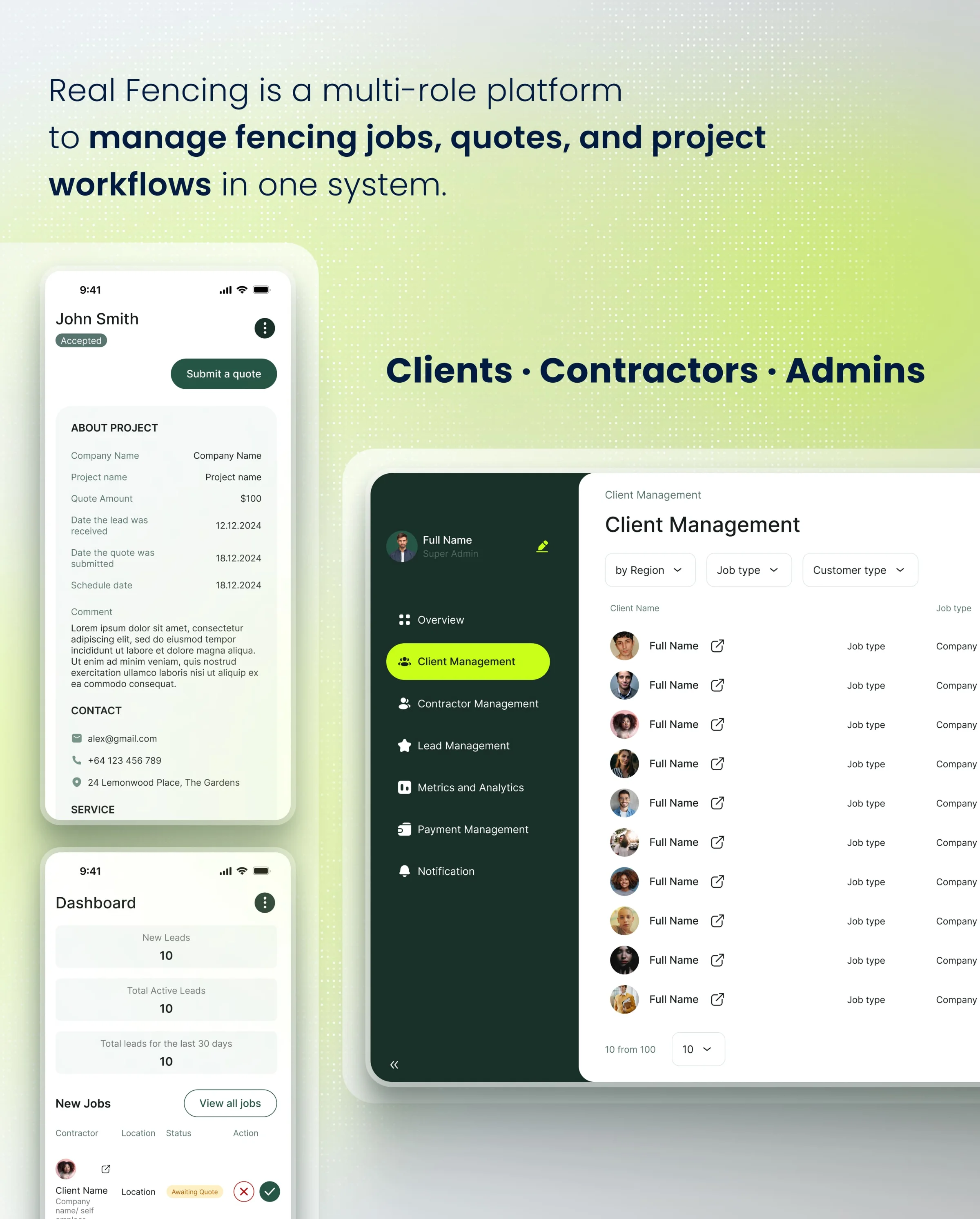
From Airtable to a Full Platform: Real Fencing Case
How we transformed a manual workflow into a scalable SaaS platform Many businesses start with simple tools like Airtable or Google Sheets to manage their operations.
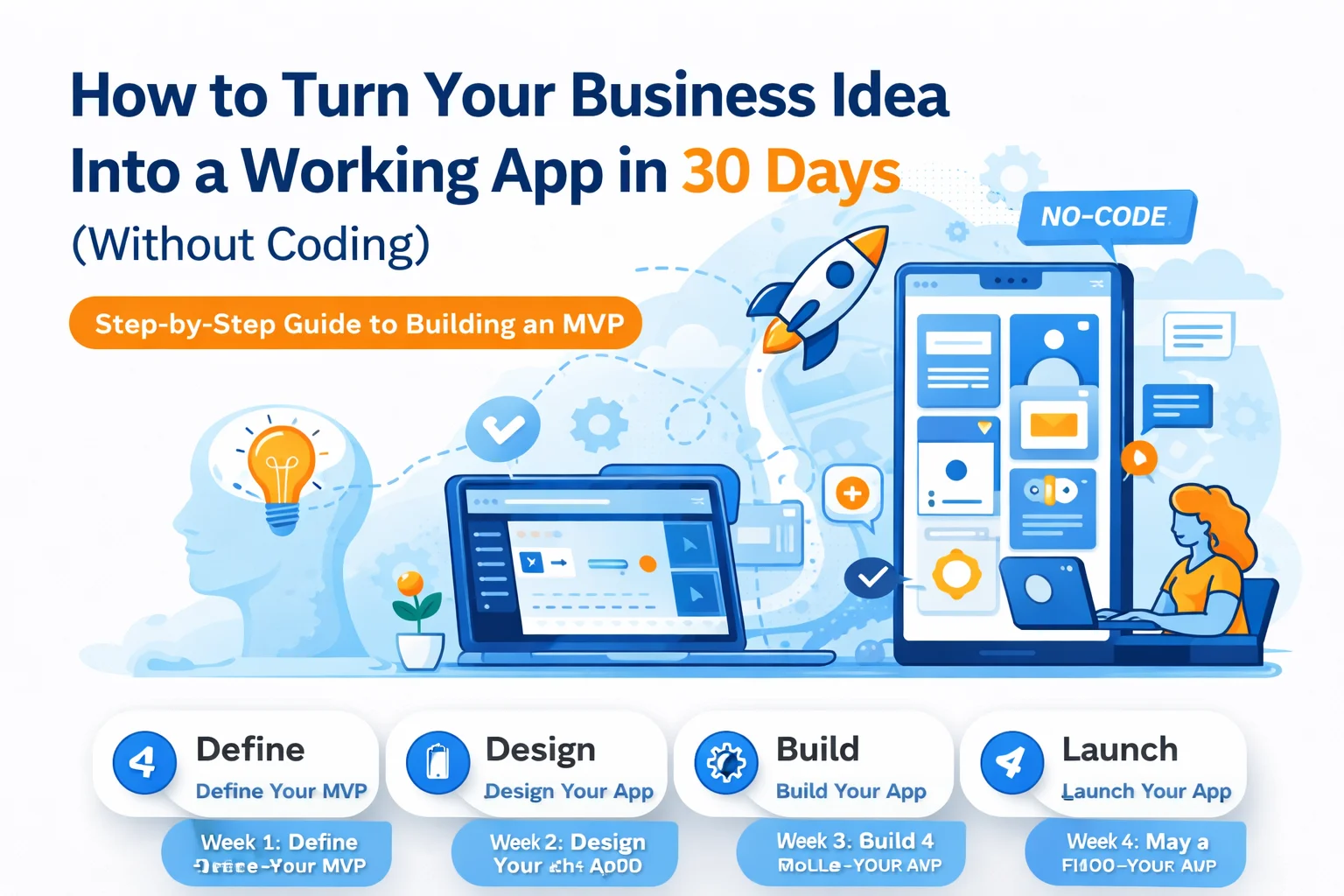
How to Turn Your Business Idea Into a Working App in 30 Days (Without Coding)
You have a business idea. Maybe it is a SaaS product, a marketplace, or an internal tool.
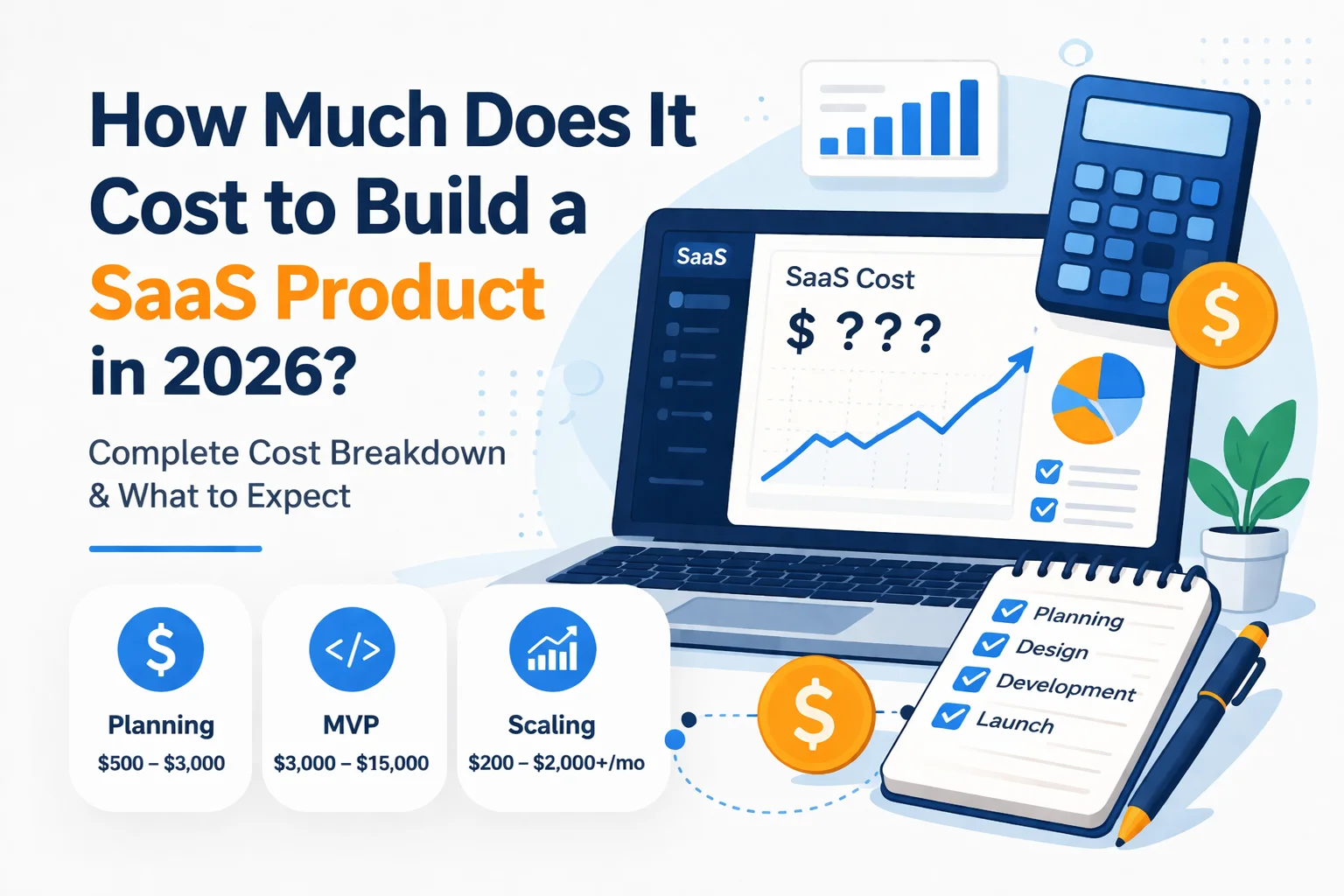
How Much Does It Cost to Build a SaaS Product in 2026?
Introduction One of the most common questions founders and businesses ask is: How much does it actually cost to build a SaaS product?
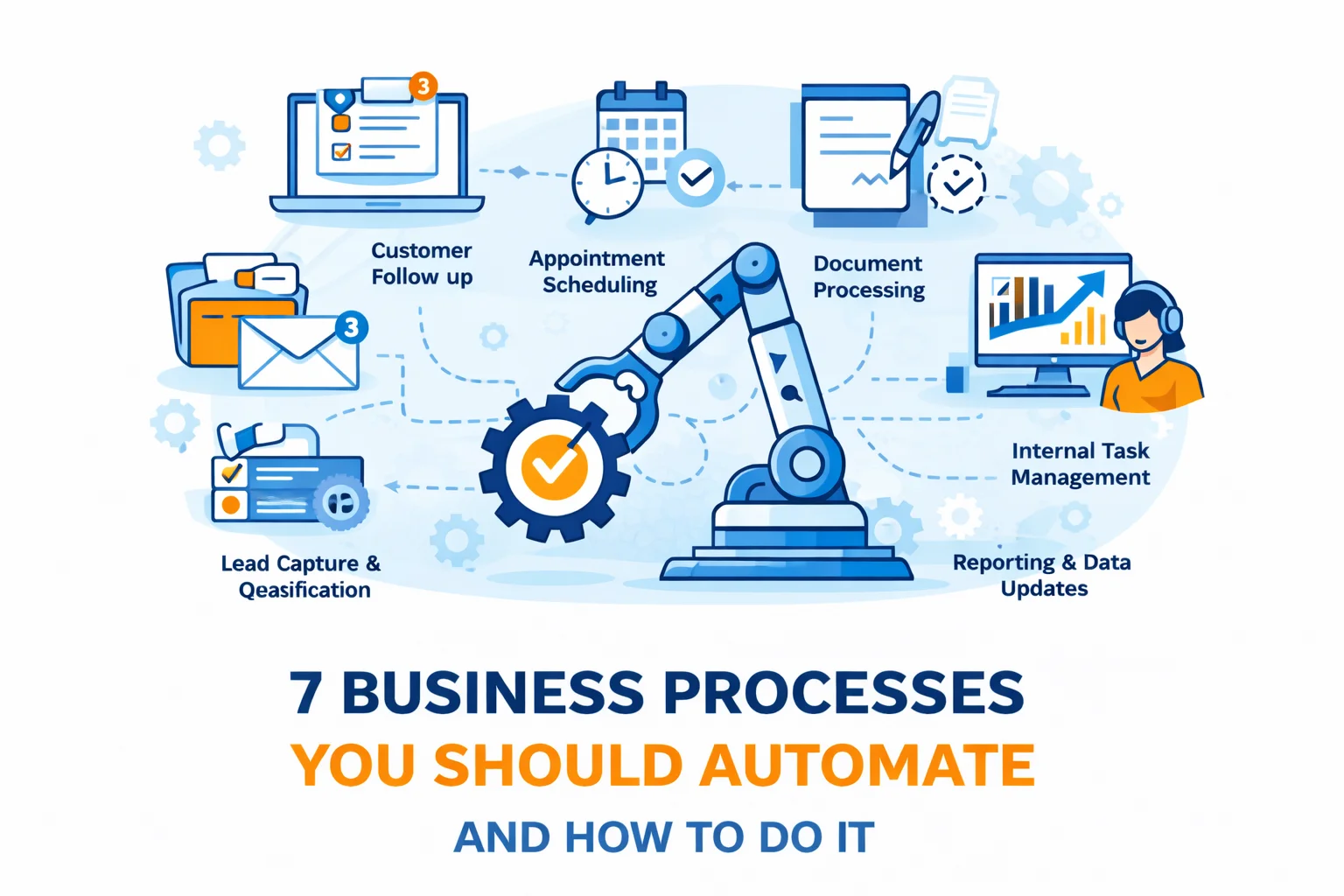
7 Business Processes You Should Automate Today (And How to Do It)
Most businesses still rely on manual processes that slow down operations and waste valuable time. The problem is not a lack of tools.
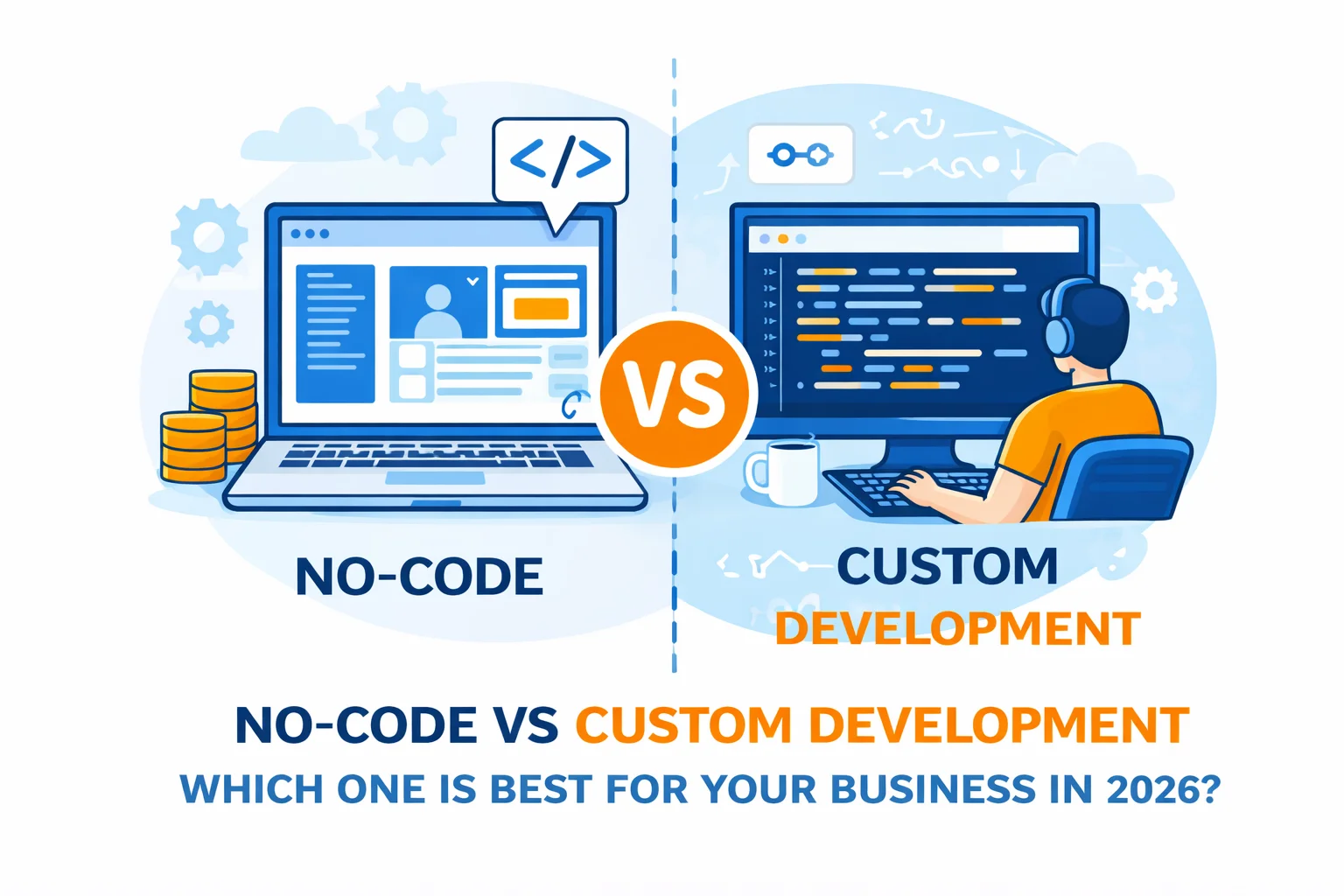
No-Code vs Custom Development: Which One Is Right for Your Business in 2026?
When building a digital product, one of the biggest decisions you will face is choosing the right development approach. Should you use no-code tools or invest in custom development?
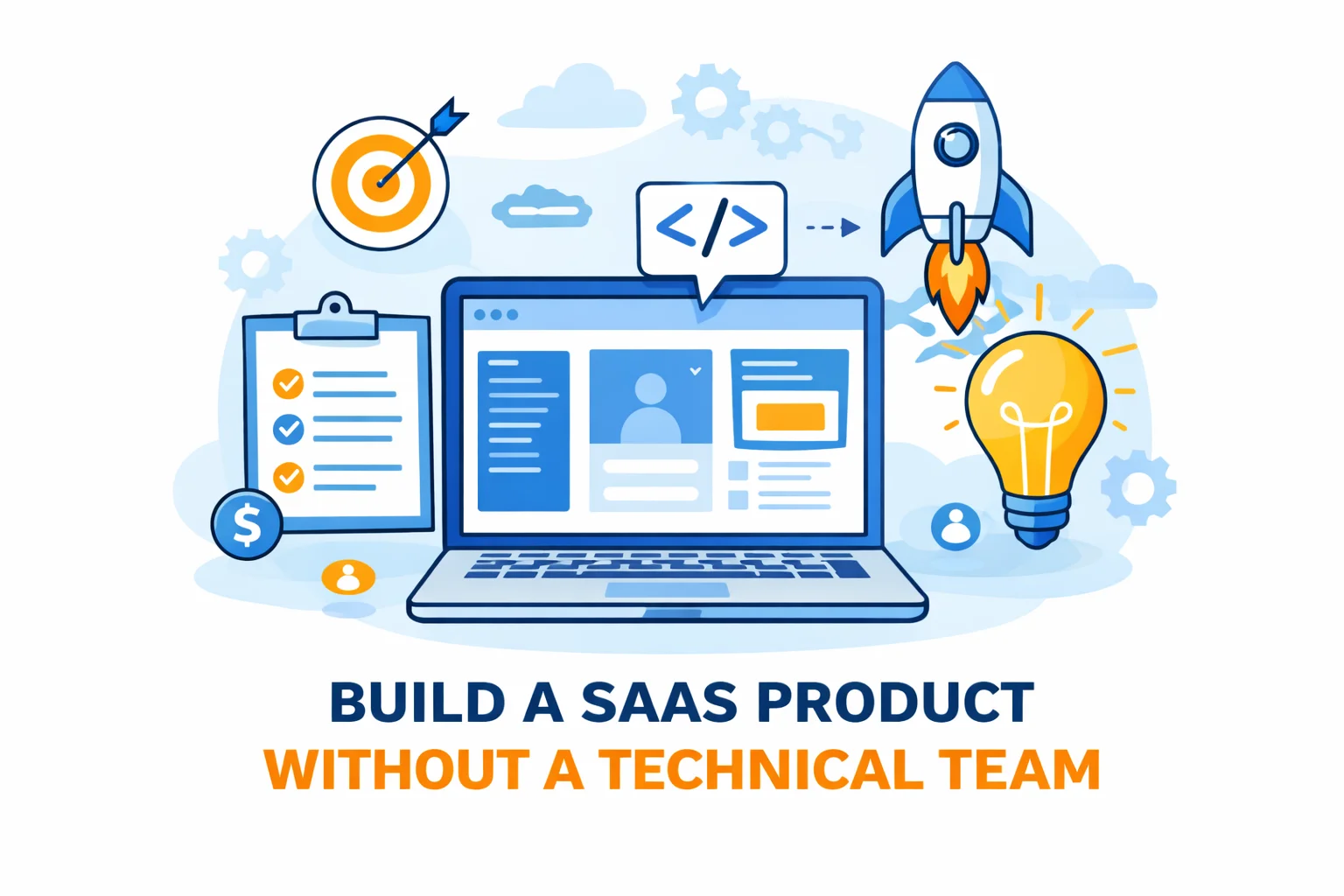
How to Build a SaaS Product Without a Technical Team (Step-by-Step Guide)
Building a SaaS product used to require a full development team, large budgets, and months of work. Today, that is no longer the case.
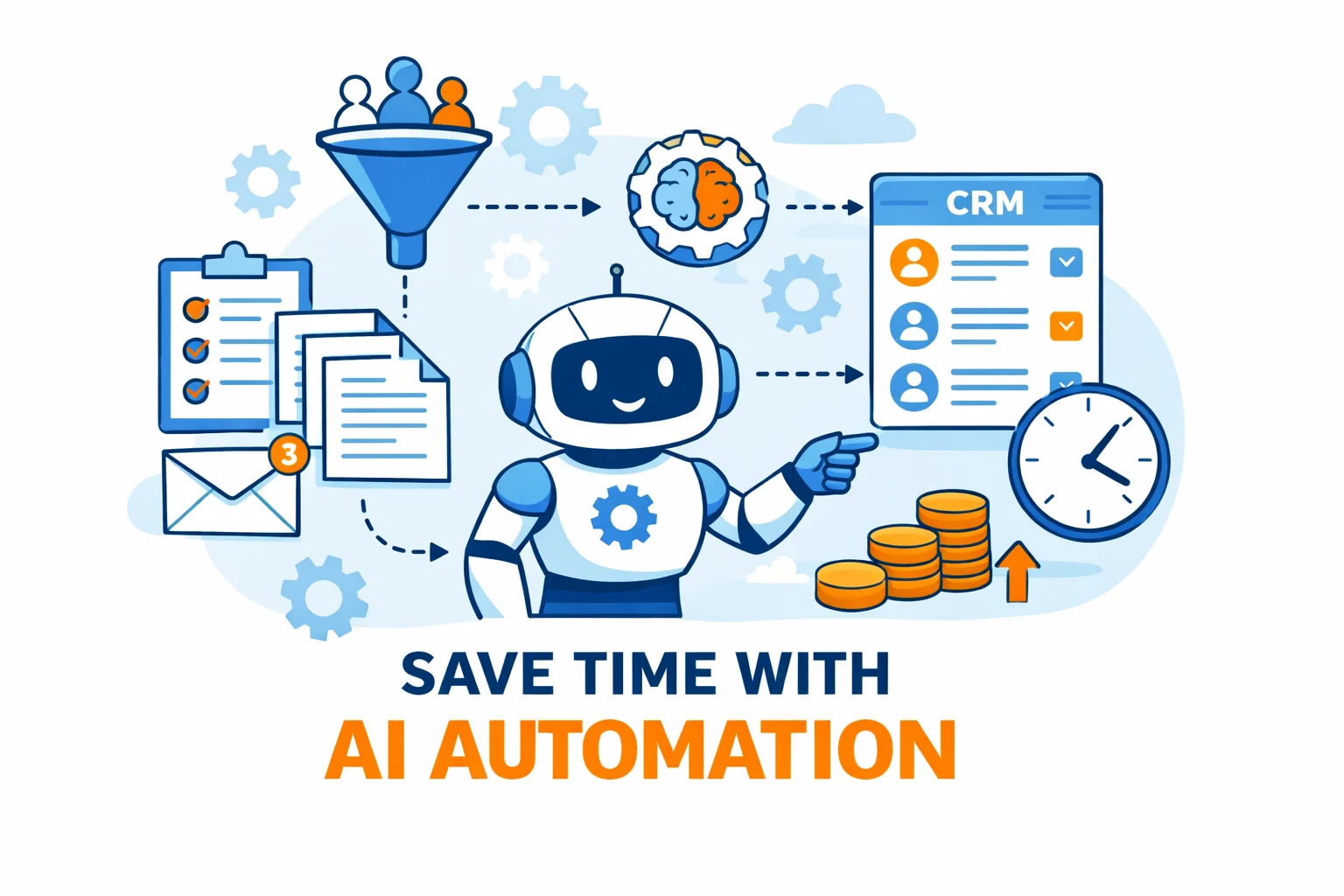
How AI Automation Can Save Your Business 20+ Hours Per Week (Real Examples)
In today’s business environment, time is one of the most valuable resources. Yet many companies still rely on manual processes for tasks that could easily be automated.